
Does Motor Tuning Void Your Warranty?
Motor tuning can void your electric dirt bike warranty. Learn what counts as tuning, how manufacturers prove causation, and warranty-safe alternatives.

Table of Contents
- Does Motor Tuning Void Your Warranty?
- What Counts as Electric Dirt Bike Motor Tuning
- Electric Dirt Bike Warranty Modifications and Manufacturer Terms
- How Manufacturers Determine Causation
- Aftermarket Controller Warranty Implications
- Speed Limiter Removal and Warranty Coverage
- Warranty-Safe Alternatives to Motor Tuning
- Protecting Your Coverage Before You Modify
- Frequently Asked Questions
Last Updated: October 5, 2026
Does Motor Tuning Void Your Warranty?
The short answer: it depends on your manufacturer's terms and whether they can prove the modification caused the failure. But that's where things get complicated.
At RYVOX, we work with riders constantly asking whether motor tuning voids their warranty before they upgrade their controllers or remove speed limiters. The reality is that many manufacturers use vague warranty language specifically to protect themselves. They don't have to prove your tuning broke the part, they just have to claim it might have.
Here's what you need to know before you modify anything.
What Counts as Electric Dirt Bike Motor Tuning
Electric dirt bike tuning falls into two categories: software changes and hardware upgrades. Each one carries different warranty risk.
Software Modifications and Speed Limiter Removal
Software tuning includes removing the speed limiter, adjusting power output, or changing throttle response through a controller app or custom firmware. This is the most common modification riders attempt because it requires no physical parts.
When you remove the speed limiter, you're telling the motor to output more power than the manufacturer designed, and tuning software bypasses the restriction the factory set.
The catch: manufacturers argue that running the motor beyond its rated output accelerates wear on internal components. They claim higher current draw damages the motor windings, controller circuits, and battery faster. Whether that's true depends on the specific motor and how aggressively you're tuning it.
Many riders use apps like the VTB Aetos Pro or EBMX X-9000 controller software to adjust performance. But the moment you change settings outside the manufacturer's spec, you're in warranty gray territory.

Hardware Changes and Aftermarket Parts
Hardware tuning means swapping the stock controller for an aftermarket one, upgrading the motor, or adding performance components. This is more obvious to manufacturers because they can physically inspect what you've installed.
If your bike has a completely different controller than what shipped with it, the manufacturer can see that immediately during diagnostics. Same with a new motor or battery pack. These changes are harder to hide and easier for them to point to as the cause of any failure.
The difference between software and hardware tuning matters legally. A software change leaves no physical evidence unless the manufacturer reads the controller's firmware logs. A hardware swap is visible the moment they open the bike up.
Electric Dirt Bike Warranty Modifications and Manufacturer Terms
Your warranty depends entirely on what the manufacturer's terms actually say. This is where most riders get blindsided.
Read your warranty document carefully. Look for these specific phrases:
- "Void if modified", this is the broadest language and covers almost any change
- "Void if non-authorized parts are installed", this targets aftermarket components specifically
- "Void if motor output exceeds rated specifications", this targets tuning directly
- "Void if used outside intended purpose", this is vague but manufacturers use it to deny claims
Some manufacturers include language like "modifications may void coverage related to that component", meaning they won't cover the controller if you tuned it, but they might still cover the battery or frame. Others say any modification voids the entire warranty.
The key distinction: full warranty void versus component-specific denial. If your warranty says modifications void coverage on "the motor and drivetrain," they might still have to cover frame cracks or brake failures. But if it says modifications void "all coverage," you're exposed everywhere.
Manufacturer warranty terms change by model and year. A 2023 Sur-Ron warranty might differ from a 2024 or 2025 model. Check the exact paperwork that came with your bike, not a general website statement.
How Manufacturers Determine Causation
Here's the critical part most riders don't understand: manufacturers don't always have to prove your modification caused the failure. But the burden of proof matters in disputes.
When you submit a warranty claim, the manufacturer investigates. They'll run diagnostics on the failed component. If they find your tuning kit installed, they'll claim the modification caused the damage. But can they actually prove it?
This is where it gets legal. In many cases, the manufacturer has to show a direct causal link between your modification and the specific failure. A failed battery cell doesn't automatically prove that tuning caused it, the cell might have failed anyway due to manufacturing defect, age, or normal use.
However, manufacturers have use. They can refuse the claim and make you fight it. If you want coverage, you'd need to dispute their decision, which means legal costs or going through a formal appeals process. Most riders don't pursue this.
The practical reality: if your motor fails and you have an obvious aftermarket controller installed, the manufacturer will deny the claim. They'll argue the tuning caused accelerated wear. Proving otherwise is expensive and time-consuming.
If your battery fails and you have a tuning kit but no obvious modification to the battery itself, you have better ground to push back. But you'll still face resistance.
Aftermarket Controller Warranty Implications
When you install an aftermarket controller like the EBMX X-9000_V3 or VTB Aetos Pro, you're replacing the part that manages motor output and safety functions. This is the most direct tuning modification.

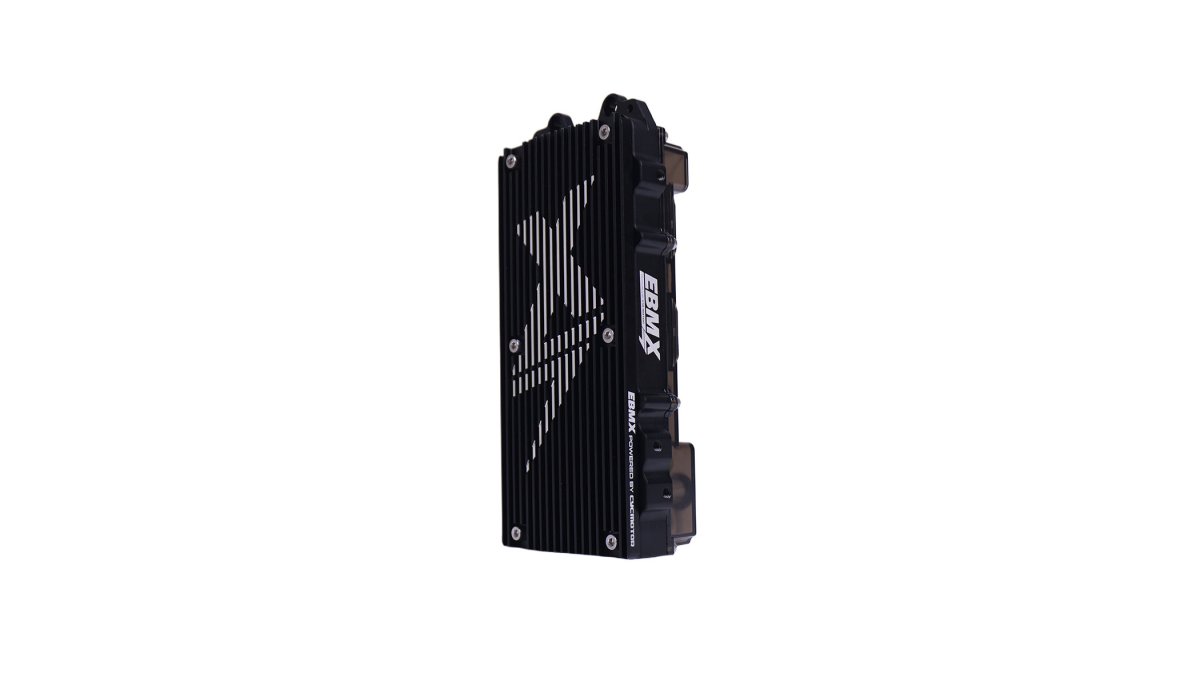
Aftermarket controllers often come with their own warranty from the controller manufacturer. The EBMX X-9000_V3 is built from the ground up for serious riders and racers. It includes 30+ pre-loaded motor tunes and allows custom adjustments. But this controller's warranty is separate from your bike's warranty.
Here's the split:
- Your bike manufacturer's warranty likely does NOT cover the aftermarket controller itself
- The aftermarket controller manufacturer's warranty covers defects in the controller
- Your bike manufacturer may deny claims on the motor, battery, or frame if they determine the controller caused the damage
The EBMX controller is designed to handle high current and heat. It includes water-cooling options for race-level use. But if something fails downstream, your motor overheats or your battery pack gets damaged, the bike manufacturer can argue the controller pushed the system beyond safe limits.
This is why fitment verification matters. At RYVOX, we verify that the controller matches your exact bike model and year before it ships.
Speed Limiter Removal and Warranty Coverage
Removing the speed limiter is the most common tuning modification. It's also the one manufacturers specifically design their warranties to block.
Removing the factory limit lets your motor output more power and reach higher speeds.
Manufacturers know exactly which riders will do this. They include specific language about speed limiter removal in warranty terms. Some say any modification to the limiter voids coverage on "the motor, controller, and battery." Others phrase it as "use outside manufacturer specifications."
From a component perspective, running the motor at higher power does increase wear. More current through the motor windings generates more heat. The controller handles higher amperage. The battery discharges faster.
Warranty-Safe Alternatives to Motor Tuning
If you want better performance without risking warranty coverage, several options exist.
Suspension and handling upgrades don't void warranties. Swapping to better shocks, upgrading fork components, or changing brake pads are all safe modifications. They improve how the bike feels without touching the motor or power system.
Gear ratios and drivetrain changes are usually safe too. Changing sprockets or chainrings doesn't affect the motor's electrical output. You're just changing how that power translates to speed and torque. Check your specific warranty, but most manufacturers don't restrict this.
Battery capacity upgrades are trickier. Adding a larger battery can improve range, but if the new battery doesn't match the manufacturer's electrical spec, it might void coverage. The safer approach: use a battery from the same manufacturer in a higher capacity if available.
Weight reduction is always safe. Removing unnecessary parts or upgrading to lighter components improves performance without touching protected systems. Lighter wheels, carbon fiber components, or removing stock accessories all help.
Tuning the riding technique costs nothing. Smoother throttle inputs, better weight distribution, and line choice improve performance on trails. This is the ultimate warranty-safe upgrade.
If you really want more power, the legitimate path is using a performance controller that comes with its own warranty protection. Controllers like the EBMX X-9000_V3 are engineered for high output and include their own support.
Protecting Your Coverage Before You Modify
Before you install anything, take these steps to protect yourself.
Step 1: Get your warranty in writing. Don't rely on what the dealer told you or what's on the website. Request the official warranty document. Read every word. Look for specific language about modifications, speed limits, and parts coverage.
Step 2: Document your bike's original state. Take photos of the stock controller, battery, and motor. Note the serial numbers. Take a video of the bike working normally before you modify anything. This becomes evidence if you need to dispute a warranty denial later.
Step 3: Check if your modification is disclosed. Some riders try to hide tuning kits before bringing bikes in for service. Don't do this. If the manufacturer finds hidden modifications during diagnostics, they'll use that as proof of intentional deception. Honesty is your only real defense.
Step 4: Understand the causal link requirement. If you modify your bike and something fails, the manufacturer should have to prove the modification caused that specific failure. Keep records of what you changed and when. If a component fails, document exactly what failed and ask the manufacturer to explain how your modification caused it.
Step 5: Consider component-specific warranties. If you're installing an aftermarket controller, verify it has its own warranty. The EBMX X-9000_V3 and VTB Aetos Pro both come with manufacturer support. That's different from your bike's warranty coverage, but it's something.
Step 6: Work with authorized dealers for service. If something does fail after you've modified the bike, bring it to an authorized dealer rather than a general shop.
At RYVOX, our Controller Diagnosis & Tune service ($125) includes fault reading, harness and connector inspection, battery and motor sanity checks, and a written verdict on what is actually wrong. If you're unsure whether a failure is related to your tuning, getting a professional diagnosis before submitting a warranty claim protects you.

The truth about whether motor tuning voids your warranty comes down to this: manufacturers write warranties to protect themselves, and they have the power to deny claims. But they also have to play by rules. They can't void your warranty for modifications they can't prove caused a failure. The key is knowing what your warranty actually says, documenting what you've done, and understanding the difference between a full void and a component-specific denial.
If you're considering tuning your electric dirt bike, we recommend starting with a consultation. RYVOX can review your specific model and help you choose upgrades that balance performance with protection. Text the shop with your bike model and we'll give you honest guidance.
Frequently Asked Questions
Can a manufacturer deny a warranty claim after motor tuning?
Yes, manufacturers can deny warranty claims on components directly affected by tuning if they prove the modification caused the failure. However, they must establish causation. A tuned motor that fails may void coverage for motor-related issues, but the manufacturer cannot deny an unrelated claim (like a broken brake lever) just because the bike was tuned. Review your warranty terms to see which components are excluded if modifications are detected.
What should I check in my warranty before modifying the motor?
Read the warranty document for exclusion clauses mentioning modifications, aftermarket parts, or unauthorized service. Look for language about 'proper installation,' 'manufacturer-approved components,' and whether tuning kits are explicitly forbidden. Check if the warranty requires disclosure of modifications. Contact your manufacturer or authorized dealer before installing anything aftermarket.
Does removing a tuning kit restore warranty coverage?
Removing a tuning kit may restore coverage for components unaffected by the modification, but not for parts already damaged by the tune. If a motor was damaged while tuned, removing the kit afterward won't reverse that claim denial. Manufacturers can identify traces of tuning through diagnostics, even after removal. The safest approach is to avoid tuning altogether if warranty coverage matters to you, or choose warranty-safe upgrades like suspension or cosmetic parts.
What are warranty-safe alternatives to motor tuning?
Upgrade components that don't affect motor output: suspension, wheels, brakes, and grips. Swap to higher-capacity batteries from your manufacturer if compatible. Choose controllers from authorized dealers that come with their own warranty, like the EBMX X-9000-V3 or VTB Aetos Pro, these carry manufacturer backing when installed correctly.